Steps To Ensure Your Automatic Door Meets ADA Codes
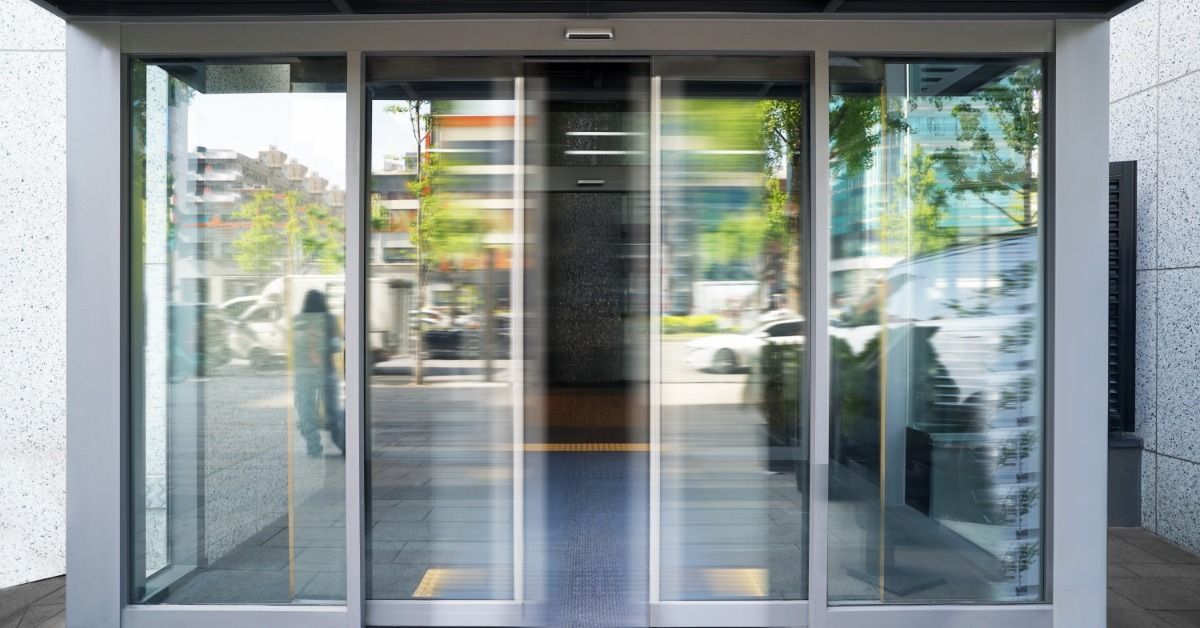
Under the Americans with Disabilities Act, automatic doors have to meet specific requirements that affect how people enter a building and move through the doorway. Is your business’s entrance working the way the ADA requires, or has something slipped out of compliance over time? By following these steps to ensure your automatic door meets ADA codes, you can catch issues that affect access, safety, and the day-to-day use of your property.
Use Proper Signage for Automatic Doors
Automatic doors need clear signage that tells people how the door operates. Signs such as “Automatic Door” and “Activate Switch To Operate” help set expectations before someone approaches the entrance. This is important for people who may not expect the door to move on its own or who need to locate the activation switch. Without proper signage, users may hesitate, misjudge timing, or interact with the door incorrectly.
Install Push Plates at an Accessible Height
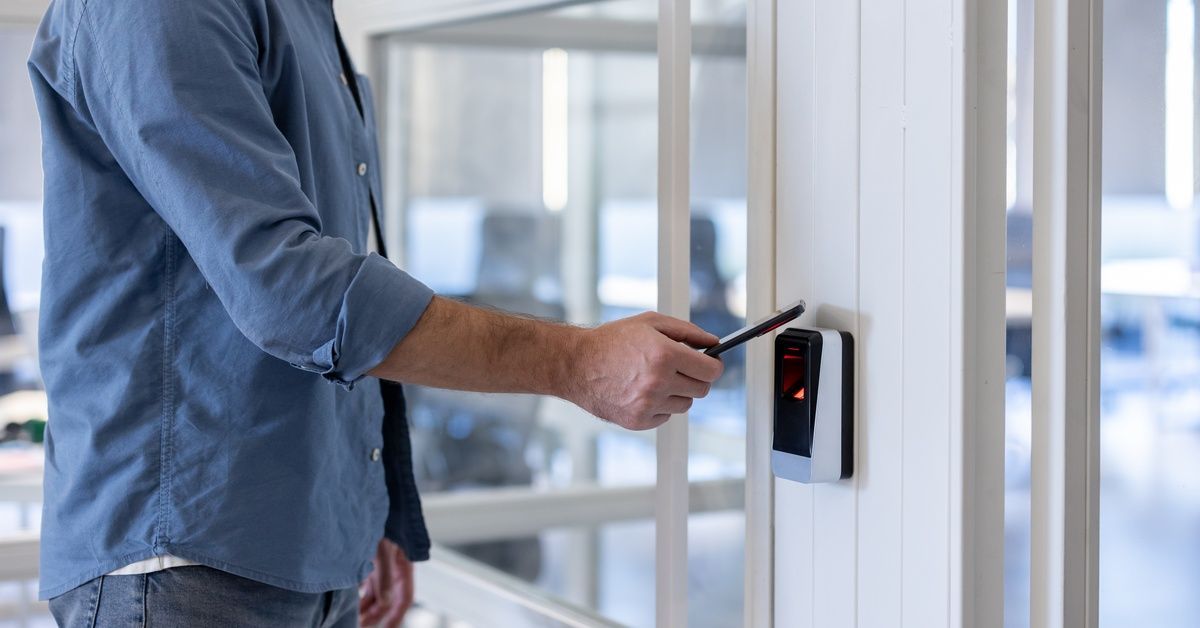
Push plates need to sit where people can actually reach them. ADA guidance places operable parts within an accessible range, which is generally no higher than 48 inches and no lower than 15 inches above the finished floor. That height allows a person using a wheelchair to activate the door without overreaching or repositioning. When push plates sit too high or too low, the entrance becomes harder to use and falls out of compliance.
Maintain the Required Clear Opening Width
Clear opening width is one of the first things that matters for ADA compliance. An automatic door needs enough open space for a person using a wheelchair, walker, crutches, or other mobility aid to pass through.
The general standard is a minimum of 32 inches of clear width when the door is open 90 degrees. That measurement gives people the room they need to enter safely, move through smoothly, and avoid brushing the frame or door edge.
Allow Enough Hold-Open Time
For low-energy swinging doors, the door must stay fully open for at least 5 seconds before closing begins. That minimum hold-open time gives a person enough time to move through the opening after the door reaches the open position. Without it, the door can start closing before someone has fully cleared the entrance, which can lead to trips, loss of balance, or direct impact injuries.
Keep Automatic Door Systems Properly Maintained
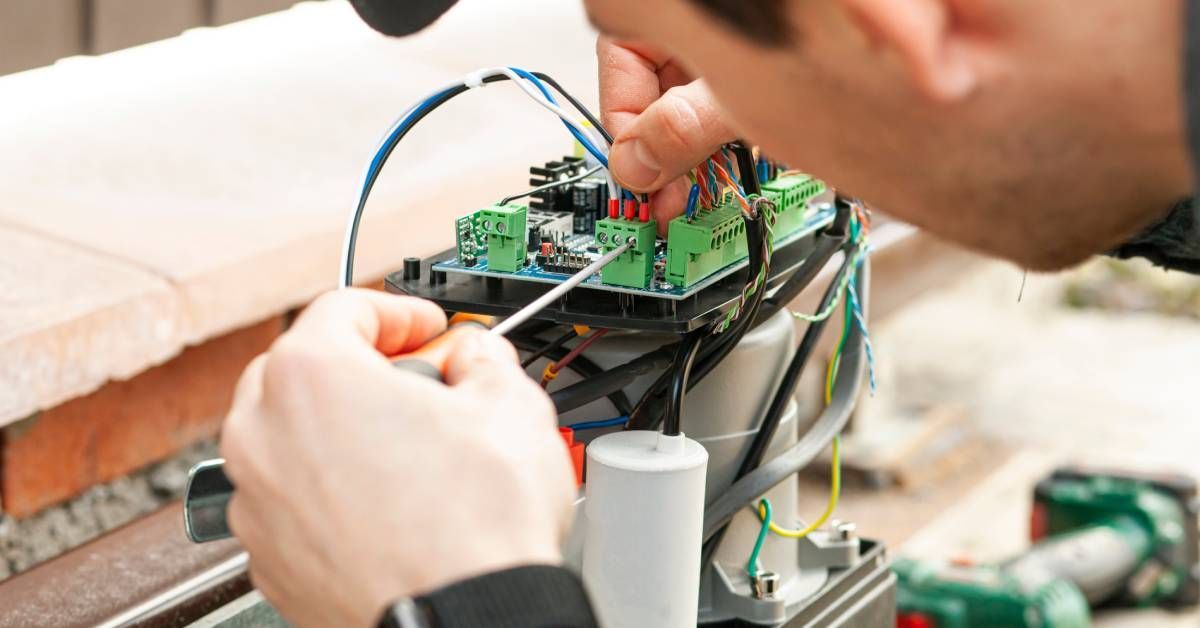
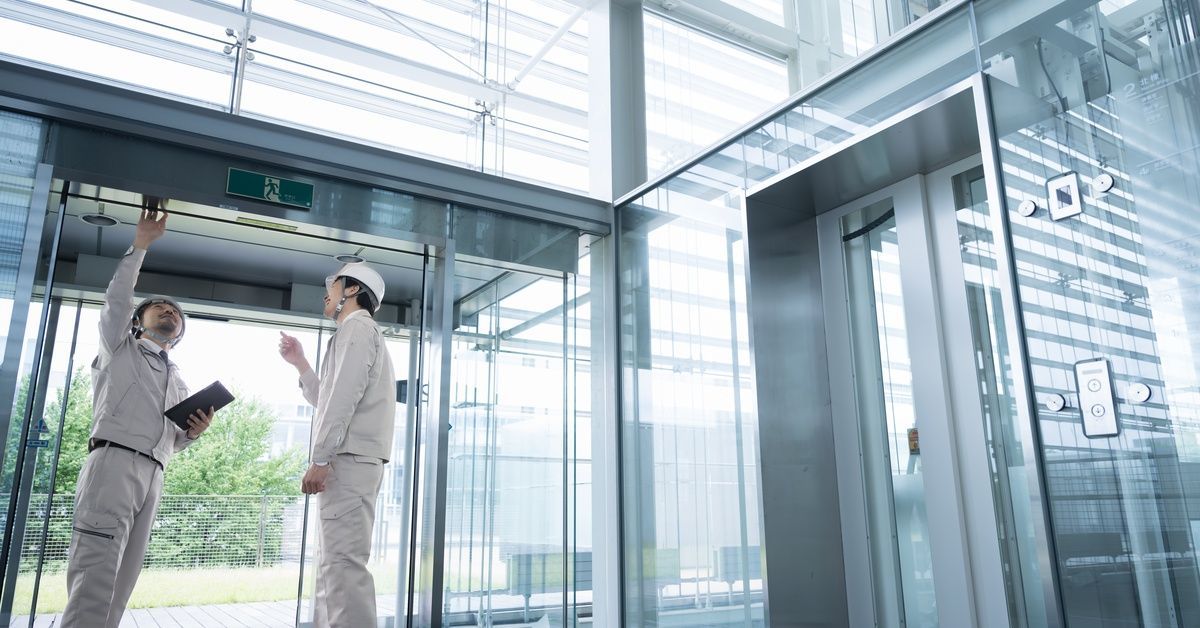
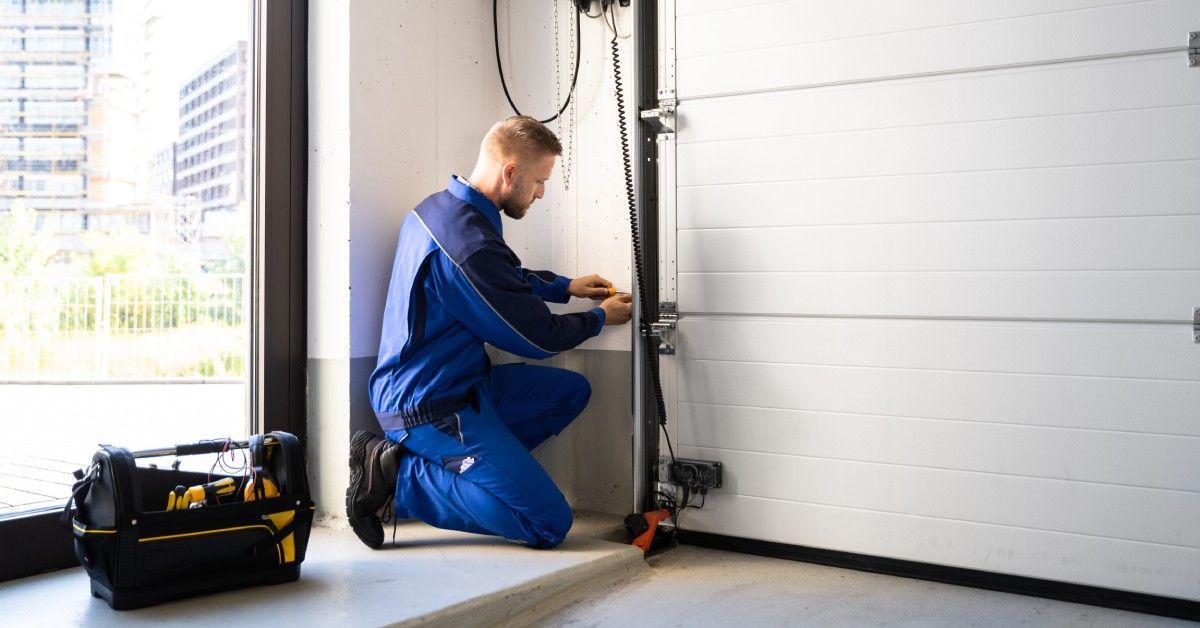
Routine maintenance keeps automatic doors operating within ADA requirements. Components like sensors, operators, and activation switches need regular inspection and adjustment to maintain proper timing, response, and positioning. When these systems fall out of calibration, doors can open too slowly, close too quickly, or fail to respond at the right moment. Ongoing service helps keep performance consistent and reduces the chance of mechanical issues that affect usability and compliance.
How These Steps Support Safer Daily Access
People use your entrance all day without giving it much thought, and that’s exactly the point. The door should open when it should, stay open long enough, and give every visitor a safe way through. Following these steps to ensure your automatic door meets code helps keep that entrance reliable and compliant.
If you need commercial door repair in Seattle for a door that’s opening too fast, closing too soon, or not activating correctly, reach out to Pacific Entrance today. A door that’s out of compliance doesn’t just create access problems for people entering your building; it can inconvenience or even injure anyone who visits your property. We can fix issues promptly so your entrance stays safe and functional.