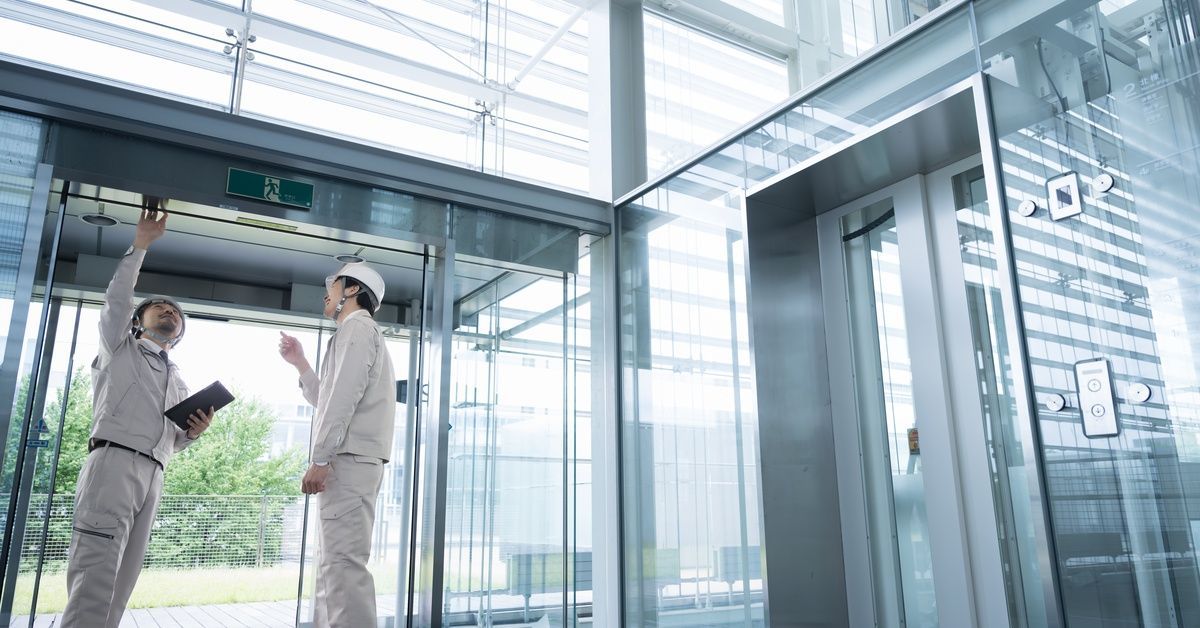
Lubrication Tips for Smooth Automatic Door Operation
If your business relies on automatic doors, you'll need to perform regular maintenance on them so they remain operational for you, your staff, and your customers.
One maintenance task that's often overlooked, however, is lubricating the moving parts of your automatic doors. This step, when skipped, can eventually cause the hardware to seize up. As a result, your door will squeak, or it may stop functioning entirely. To keep that from happening, add lubrication to your maintenance checklist and follow these application tips for smooth door operation .
Choose the Right Lubricant
Not all grease is created equal. While it might be tempting to grab that can of WD-40 sitting in the back of the utility closet, it isn't always the best choice for automatic doors. Standard WD-40 is a solvent, not a long-term lubricant, and it can actually attract dust and grime over time.
For commercial doors, you generally want to use a silicone spray or a white lithium grease. These products withstand temperature changes better and provide a slick surface without becoming a magnet for dirt. Always check your manufacturer's manual to see if they recommend a specific product for your model.
Clean Before You Grease
Before applying new lubricant to your automatic doors, you need to remove the old, built-up gunk from the door tracks and rollers. If you apply fresh grease over old, dirty grease, you create a gritty paste that acts like sandpaper, wearing down your rollers faster than if you hadn't lubricated them at all.
Use a stiff brush or a vacuum to clean out the tracks, and wipe down the rollers with a rag. Once your tracks and rollers are clean and dry, you can finally apply a fresh coat of lubricant.
Target the Pivot Points
To be effective, you need to apply the lubricant exactly where the friction occurs. Don't just spray the entire track and hope for the best. Focus your efforts on the rollers, the hinges, and the pivot points. These are the high-stress areas that work the hardest every time a customer walks in.
Don't Overdo It
More lubrication isn't always better. A light, even coating is usually all that’s required to keep things running smoothly. If you spray too much, the excess fluid can drip onto the floor and create a slipping hazard for your customers. Excessive grease can also catch airborne dust, which leads to that sludge buildup we mentioned earlier. A quick burst of spray or a dab of grease is usually sufficient.
Wipe Away the Excess
Once you’ve applied the lubricant and worked the door back and forth a few times to distribute it, take a clean rag and wipe away any excess product. You want the parts to be lubricated, not wet. This keeps your entryway looking professional and prevents oil from dripping onto the glass or the frame of the door.
Let Us Handle the Maintenance For You
Follow these lubrication tips for smooth door operation , and your doors will open and close as smoothly as silk.
At Pacific Entrance, we do preventative maintenance and commercial door repair in Seattle. If you need a team of skilled, experienced technicians to come out and lubricate your automatic door system, we can do that. We can also fix doors that are stuck, noisy, or jammed due to a lack of grease. Contact us today and let us know how we can help you keep your automatic doors running as they should.